
How to File an Auto Insurance Claim Step by Step in 2026
Master the auto claim process with our step-by-step guide. Call (833)-214-6397 for expert assistance on filing your claim today.

By Ethan Bennett
You just heard the crunch of metal. Your heart is racing, traffic is passing, and you are not sure what to do next. Filing an auto insurance claim can feel overwhelming, but it does not have to be. Whether it is a minor fender bender or a major collision, knowing the right steps to take can mean the difference between a smooth payout and weeks of frustration. This guide walks you through how to file an auto insurance claim step by step, from the moment of impact to the final repair, so you can protect your rights, maximize your settlement, and get back on the road with confidence.
Immediate Steps at the Scene: Safety, Documentation, and Information Exchange
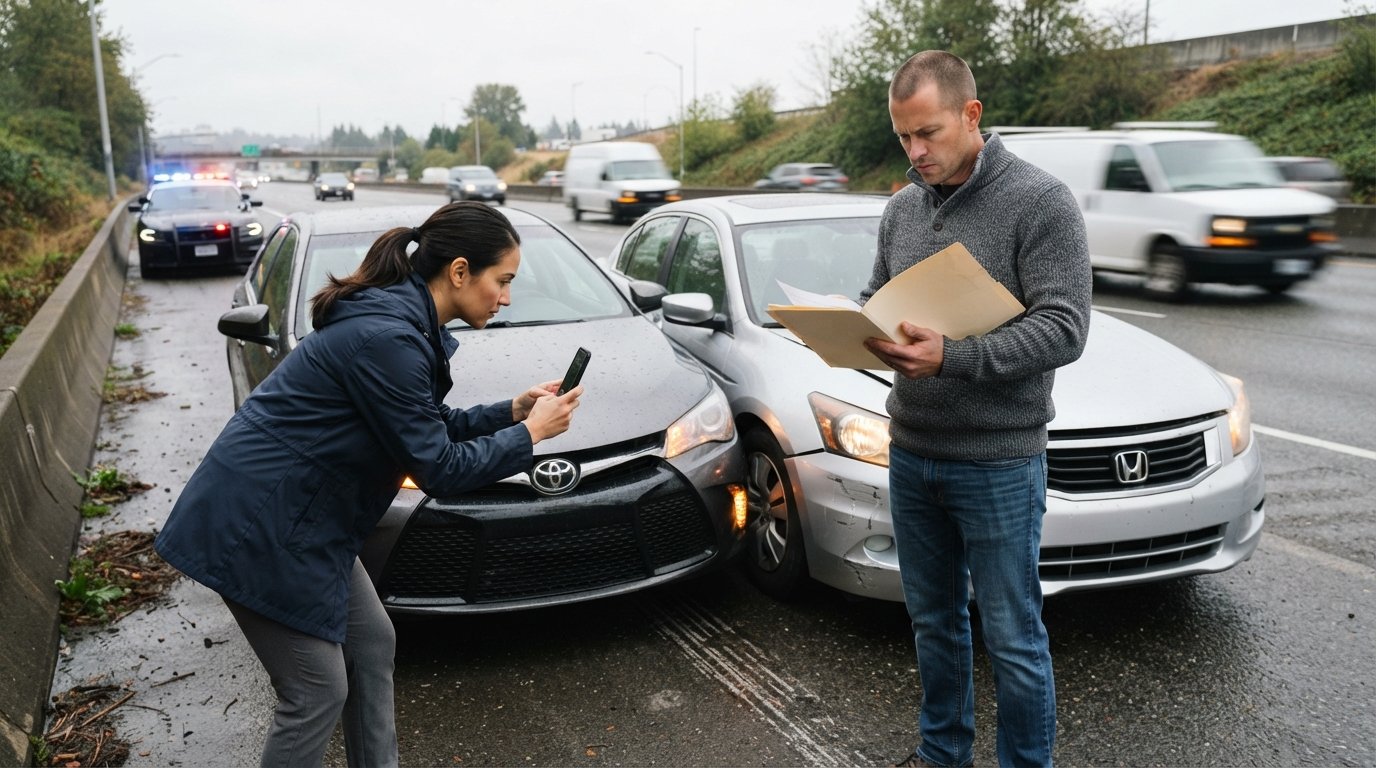
The minutes right after a collision are critical. Your first priority is safety. If anyone is injured, call 911 immediately. Even if there are no obvious injuries, move your vehicles to a safe location off the road, if possible, and turn on your hazard lights. Do not leave the scene, and do not admit fault. Emotions run high, but anything you say can be used later. Stay calm and focus on gathering facts.
Next, document everything. Use your smartphone to take photos and videos of the damage to all vehicles, the overall scene, road conditions, and any visible injuries. Exchange information with the other driver: names, phone numbers, addresses, insurance company names, policy numbers, and license plate numbers. If there are witnesses, collect their contact details too. If police respond, get the accident report number and the officer's name. This documentation will be essential when you notify your insurer and support your claim later.
Be cautious about discussing the accident with the other driver's insurance company if they contact you directly. You are not obligated to give a recorded statement to them, and it is often wise to consult your own insurer first. Remember, your goal at the scene is to collect facts, not to assign blame or negotiate.
Notifying Your Insurer: When and How to Report the Claim
As soon as you are safe and have gathered the necessary information, contact your insurance company to report the claim. Most insurers have 24/7 claims hotlines and mobile apps that make this easy. Report the accident promptly, even if you think it was minor. Delays can complicate your claim or give the insurer grounds to question the timing. When you call, have your policy number, driver's license, vehicle registration, and the accident information ready. Be honest and provide a clear, factual account of what happened.
Your insurer will assign a claim number and likely a claims adjuster who will guide you through the process. Ask questions about what to expect, what your policy covers, and what the next steps are. If you have rental car coverage or roadside assistance, this is the time to inquire about those benefits. Also, confirm whether your insurer works with a network of preferred repair shops, though you generally have the right to choose your own shop.
If you are comparing auto insurance options or considering a switch after your claim, it helps to understand how to compare auto insurance quotes online in 2026 to find the best coverage and rates for your needs. But for now, focus on getting your current claim processed.
Working with Adjusters, Repair Shops, and Rental Car Arrangements
After you report the claim, the insurer will send an adjuster to inspect the damage. The adjuster's job is to estimate the cost of repairs and determine how much the insurer will pay. Be prepared to provide your photos, the police report, and any other documentation. The adjuster may also take their own photos and may ask you to get estimates from repair shops. If your vehicle is drivable, you may be directed to a drive-in inspection center. If not, the adjuster will come to you.
You are not required to use the insurer's recommended repair shop, but doing so can streamline the process because the shop and insurer may have an established relationship. However, you have the right to choose a shop you trust. Get multiple estimates if possible, and compare them. The insurer will typically pay the lesser of the repair cost or the actual cash value of the vehicle, minus your deductible. Keep all receipts and records related to repairs.
If your car is not drivable, ask about rental car reimbursement. If you have rental reimbursement coverage, the insurer will arrange for a rental car, often up to a daily limit and maximum number of days. Without this coverage, you may be responsible for rental costs, though the at-fault party's insurer might cover them if liability is clear. Communicate openly with your adjuster about your needs and any delays.
How Deductibles and Coverage Types Affect Your Payout
Your auto insurance policy is a contract, and the payout you receive depends on the coverage you purchased and your deductible. The deductible is the amount you agree to pay out of pocket before your insurance kicks in. For example, if you have a $500 deductible and the repair cost is $3,000, your insurer will pay $2,500, and you pay $500. Higher deductibles usually mean lower premiums, but you will pay more upfront when you file a claim.
Different coverage types apply in different situations. Collision coverage pays for damage to your vehicle from a collision, regardless of fault. Comprehensive coverage pays for non-collision incidents like theft, vandalism, fire, or natural disasters. Liability coverage pays for damage you cause to others, but it does not cover your own vehicle. If you are not at fault, the other driver's liability coverage may pay for your repairs, but you might still need to file with your own insurer if the other party is uninsured or underinsured. Understanding your policy's limits and exclusions is crucial to knowing what to expect.
For a broader understanding of insurance options and to compare policies, you can visit InsuranceAdvisers for educational resources and tools. This can help you make informed decisions about your coverage.
What to Do If Your Claim Is Denied or Undervalued
Sometimes claims are denied or the settlement offer is lower than you expected. If this happens, do not panic. First, review the denial or offer carefully. Ask the insurer for a written explanation and the specific policy language they relied on. Sometimes the issue is a simple misunderstanding or missing documentation. Provide any additional evidence you have, such as photos, receipts, or medical records, and request a reconsideration.
If you disagree with the valuation, you can negotiate. Get independent repair estimates and compare them to the insurer's offer. If your vehicle is totaled, research its actual cash value using online tools and comparable listings. You can also invoke your policy's appraisal clause, which allows you and the insurer to hire independent appraisers to settle the dispute. If you believe the insurer acted in bad faith, you can file a complaint with your state's insurance department. In some cases, consulting an attorney may be worthwhile, especially for significant claims.
Patience and persistence are key. Keep detailed records of all communications, including dates, names, and what was discussed. This documentation will support your case if you need to escalate the matter.
Finalizing Your Claim and Getting Back on the Road
Once you agree on a settlement, the insurer will issue payment. If you have a loan or lease on your vehicle, the payment may be sent to the lienholder first. Otherwise, you will receive a check or direct deposit. After repairs are complete, inspect the work carefully and keep all receipts. If you discover additional damage related to the accident, notify your insurer immediately. Most repairs come with a warranty, so keep that documentation as well.
Filing an auto insurance claim does not have to be a nightmare. By following these steps, staying organized, and communicating clearly, you can navigate the process efficiently. Remember, your insurer is there to help, but you are your own best advocate. For more guidance on insurance topics, from auto to home to health, explore the resources at QuoteComparison.com to make smarter coverage decisions.