
Full Coverage vs Liability Only Auto Insurance Explained
Compare full coverage vs liability only auto insurance and learn which protects your budget best. Call (833)-214-6397 for expert guidance.

By Ethan Bennett
Choosing between full coverage and liability-only auto insurance is one of the most consequential financial decisions a vehicle owner can make. It affects your monthly premium, your legal exposure, and how much you pay out of pocket after an accident. Yet many drivers never examine the trade-offs closely. They either stick with the cheapest option or keep paying for coverage they no longer need. This guide breaks down the real differences, the costs, and the situations where each choice makes sense.
What Full Coverage Actually Includes Beyond State Minimum Liability
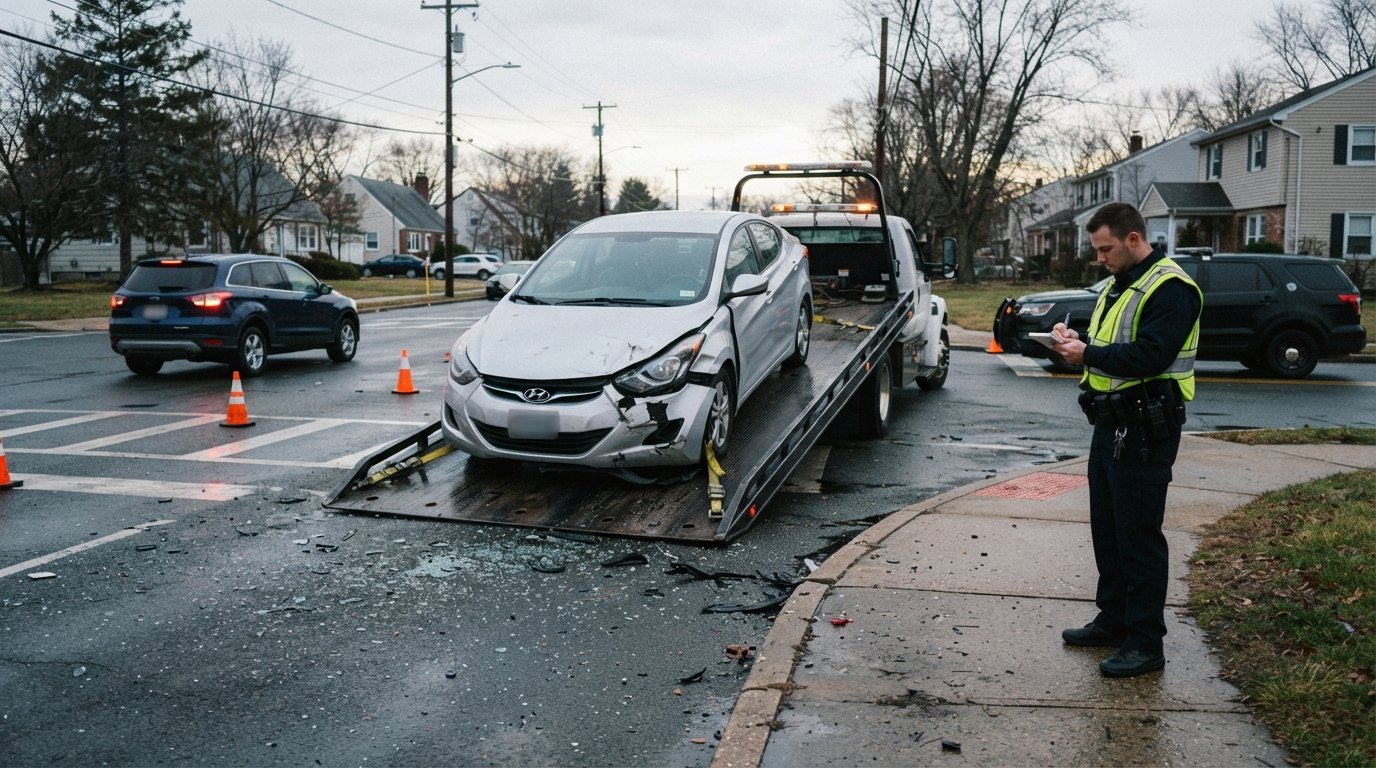
Liability-only insurance satisfies the legal minimum required by nearly every state. It pays for damage you cause to other people and their property. It does not pay a dime for your own vehicle, no matter who is at fault. Full coverage, by contrast, is a package that typically adds comprehensive and collision coverage on top of liability. Collision pays to repair or replace your car after a crash with another vehicle or object. Comprehensive covers non-collision events such as theft, fire, vandalism, hail, flooding, or a tree falling on the hood.
Full coverage is not a legal term, and policies vary by insurer. Most full coverage packages also include uninsured and underinsured motorist coverage, medical payments or personal injury protection, and sometimes roadside assistance or rental reimbursement. That broader shield matters because roughly one in seven U.S. drivers is uninsured, according to Insurance Research Council estimates. If an uninsured driver hits you, liability-only leaves you paying for your own repairs and medical bills.
Here is what a typical full coverage policy adds beyond state minimum liability:
- Collision coverage: repairs your vehicle after a crash with another car or an object like a guardrail.
- Comprehensive coverage: handles theft, weather, fire, vandalism, and animal strikes.
- Uninsured/underinsured motorist: protects you when the at-fault driver cannot pay.
- Medical payments or personal injury protection: covers medical costs for you and your passengers.
- Add-ons: roadside assistance, rental car reimbursement, and gap coverage for leased or financed vehicles.
Each of those pieces carries a separate premium. That is why full coverage can cost two to three times more than a bare liability policy. The extra cost buys genuine protection, but it only makes financial sense when the value of what you are protecting justifies the price.
How Vehicle Age and Loan Status Shape the Decision
The single biggest factor in choosing between full coverage and liability-only is your car's value and whether you still owe money on it. If you have a loan or lease, the lender or lessor almost always requires comprehensive and collision coverage until the balance is paid. The vehicle is their collateral, and they will not let you drive off without protecting it. Dropping full coverage while financing is not just unwise; it usually violates your contract and can trigger force-placed insurance at a much higher price.
Once the car is paid off, the math changes. A general rule of thumb is to compare the annual cost of comprehensive and collision against the car's actual cash value. If your vehicle is worth $4,000 and you pay $700 a year for full coverage with a $1,000 deductible, you are spending a large share of the car's value on protection. A single at-fault accident could total the car, and the insurer would pay only the market value minus your deductible. In that case, dropping to liability-only and banking the savings may be the smarter move.
Newer vehicles flip the equation. A 2025 or 2026 model with a replacement cost of $35,000 is expensive to repair and expensive to replace. A relatively small premium increase for full coverage is easily justified. The same logic applies to leased cars, which typically require full coverage for the entire lease term, and to vehicles with high safety or technology features that are costly to fix. Before deciding, check your car's current market value using a pricing guide and get quotes for both coverage levels. A side-by-side comparison makes the break-even point obvious.
The Real Premium Savings From Dropping Comprehensive and Collision
Dropping full coverage can cut a premium dramatically, but the exact savings depend on your deductible, your car, your driving record, and where you live. Drivers with clean records and older vehicles often save 40 to 60 percent by moving to liability-only. Drivers with accidents or tickets may see smaller savings because their liability premium is already high. The table below shows a typical illustration for a mid-size sedan worth $8,000 with a clean driving record.
Consider a driver paying $1,800 a year for full coverage. The liability portion might be $700, with the rest covering collision, comprehensive, and add-ons. Switching to liability-only saves $1,100 annually. Over three years, that is $3,300 in the bank. But the risk is equally clear: a single at-fault crash that totals the car would cost the driver the full $8,000 replacement value out of pocket. The savings only win if the driver avoids a major claim for several years, or if the car's value is low enough that a total loss would not be devastating.
There is a middle path. Raising your deductible from $500 to $1,000 or $2,000 lowers the cost of comprehensive and collision while keeping the protection in place. Many insurers also offer discounts for bundling auto and home policies, paying in full, or installing safety devices. If you are comparing full coverage vs liability only auto insurance, ask for quotes at several deductible levels before you drop coverage entirely. A $1,000 deductible on a $10,000 car often costs only slightly more than liability-only while preserving tens of thousands of dollars in protection. Consumers who want to explore these combinations can use the comparison tools at QuoteComparison.com to request quotes from multiple carriers.
State rules also affect the decision. Some states require uninsured motorist coverage or personal injury protection regardless of whether you carry full coverage. Others have no-fault systems that change how claims are paid. If you are researching how local mandates interact with your policy choices, a guide on state health insurance mandates and coverage rules can help you understand how state-level requirements shape insurance products more broadly.
When Lenders and Lessors Require Full Coverage Regardless of Vehicle Age
Lenders and lessors care about one thing: protecting the asset that secures the loan. That is why financing agreements routinely require comprehensive and collision coverage with a deductible no higher than a specified amount, often $500 or $1,000. The requirement stays in force until the loan is satisfied, even if the car ages and its value drops. A six-year-old car with a remaining loan balance still needs full coverage under most contracts. If you let the policy lapse, the lender may buy force-placed insurance and add the cost to your loan balance. Force-placed coverage is usually far more expensive and offers less protection than a policy you buy yourself.
Leases are even stricter. Lessors typically require full coverage for the entire lease term, plus gap insurance or waiver of the gap between the car's value and the lease payoff if the vehicle is totaled. Some lessors also require higher liability limits than state minimums. If you are leasing or financing, check the contract before you change coverage. Dropping comprehensive and collision can put you in default, and the consequences range from added fees to accelerated repayment.
Once the loan is paid off, you regain control. That is the moment to revisit the full coverage vs liability only auto insurance decision with fresh numbers. A paid-off car with a low market value is the classic candidate for liability-only, while a paid-off car that would be expensive to replace may still deserve full coverage. The point is to make the choice deliberately rather than letting a policy auto-renew year after year.
A Practical Framework for Making the Choice
Use a simple three-step test when you are unsure which coverage level fits. First, check whether a lender or lessor requires full coverage. If yes, the decision is made for you. Second, estimate your car's actual cash value and compare it with the annual cost of comprehensive and collision plus your deductible. If the premium exceeds roughly 10 percent of the car's value, liability-only deserves serious consideration. Third, assess your emergency fund. If you could comfortably pay for a replacement vehicle or a major repair out of savings, self-insuring part of the risk is reasonable. If a surprise bill would derail your finances, full coverage is the safer choice.
It also helps to shop around before you decide. Insurers price risk differently, and the gap between full coverage and liability-only varies widely from one company to the next. Requesting quotes for both coverage levels from several carriers takes only a few minutes and gives you real numbers instead of rules of thumb. The same discipline applies across all insurance types: compare before you commit. U.S. consumers who want to understand, compare, and shop for auto, home, health, life, and Medicare coverage can find educational guides and quote tools at InsuranceAdvisers.
The right answer is not the same for every driver. A financed new SUV needs full coverage. A paid-off commuter worth $3,000 with a healthy emergency fund often does not. The key is to run the numbers, respect your lender's rules, and revisit the decision whenever your car's value or your financial situation changes. Choosing between full coverage vs liability only auto insurance is ultimately about matching your premium to the risk you can and cannot afford to carry.